Tokenization in Capital Markets: Why Use Cases, Trust, and Regulated Liquidity Matter
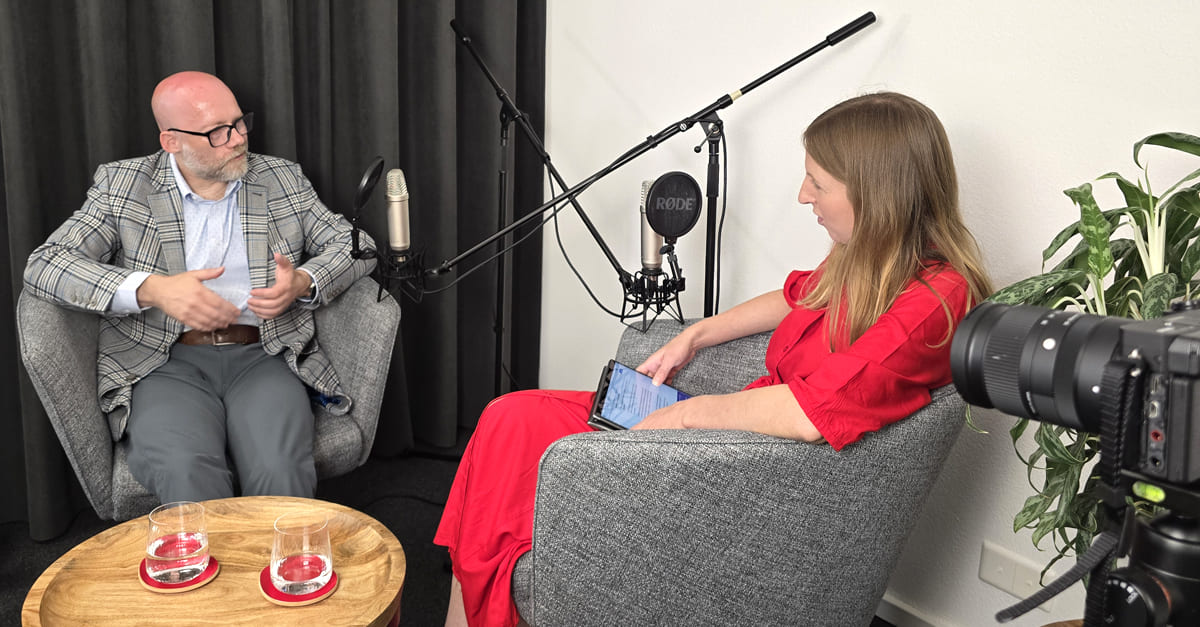
In the latest episode of our podcast Inside Digital Assets, Roger Darin, Head of Brokerage and a member of the Executive Management team at Incore Bank, joins host Lidia Kurt. Together, they explore how digital assets can be integrated into banking -related processes, which hurdles still remain, and why a regulated secondary market is a key building block for the continued development of tokenized assets.
From tech hype to business outcomes: What has changed in the market
Roger Darin notes that banks initially often entered the crypto and digital-asset space largely for innovation or marketing reasons. Today, the focus is shifting: more and more market participants are pursuing clear economic goals. It is less about symbolism and more about which customer needs digital assets can genuinely address within the banking system – ideally integrated in existing processes and aligned with technology-neutral regulatory requirements.
Tokenized securities: From early structures to the vision of “interoperable systems”
A key theme of the conversation is how tokenized securities have evolved over the past several years. Early structures were often highly restrictive: tokens could exist (including an ISIN and OTC trading), but in some cases they were not allowed to leave the regulated environment – for example, clauses that rendered a token “temporarily invalid” if it was transferred to a private wallet.
Looking ahead, the direction is toward greater interoperability. Roger Darin outlines a vision in which a company (e.g., a startup) can issue tokens – perhaps initially directly via its own website – and that same token can later be traded on a regulated trading facility. This interoperability across issuance, custody, and secondary trading is seen as a key enabler for scaling tokenized financial instruments.
KYC/AML and onboarding tokens into the banking system: The next hurdle
Even as the technology matures, operational and regulatory questions remain:
- How can a token be onboarded into a banking system before it can be traded on a regulated venue?
- What role do decentralized exchanges (DEXs) play, and how do you assess a token’s provenance?
- How far are banks today in accepting inbound transfers – not only for Bitcoin, but in the future also for tokenized equities or other tokenized assets?
Roger Darin emphasizes that banks have built capabilities in blockchain analytics in recent years (transaction history, risk indicators, provenance checks) and that these skills can be applied to new tokenized asset classes.
Primary market and fundraising: What the 2017 ICO wavetaught us
Part of the conversation explores how companies may raise capital in the future. While traditional funding paths typically run through angel investors, venture capital, and later an IPO, crypto has historically tended to remove intermediaries. This became particularly evident during the 2017 ICO wave: without effective filters between projects and investors, many initiatives failed, not least due to misaligned incentives and insufficient due diligence.
The episode’s takeaway: token issuance is becoming more professional, and new channels could make reach and fundraising truly global. At the same time, new questions emerge: Who performs investor identification (KYC)? What level of due diligence and disclosuredo investors expect in a regulated market without banks or trading venues being able to provide an “investment guarantee”?
Custody vs. self-custody: Practicality, responsibility, and cost
When it comes to safekeeping, Roger Darin describes the trade-off between self-custody and bank custody:
- Bank custody draws on long-established expertise safeguarding assets, simplifies inheritance and estate processes, and often enables faster execution within the regulated system.
- Self-custody can be cost-effective for smaller positions, where custody or account fees would otherwise disproportionately reduce returns.
The conversation point to a pragmatic outlook: hybrid models are likely, for example, certain assets held in self-custody while banks continue to play a role in identity, recovery, compliance, and as a bridge into the regulated financial system.
Tokenization: It’s not the format that matters, but the use case
A core message of the episode is this: for investors, it often does not matter whethera share like Apple or Tesla exists as a token or in traditional form—what matters is whether tokenized assets unlock new functionality.
Roger Darin points in particular to smart contracts, interacting with unknown counterparties (“trust but verify”), and use cases that traditional systems cannot easily replicate. At the same time, he highlights the trade-offs: blockchain brings advantages but also drawbacks—such as slower throughput compared with centralized databases. Tokenization will therefore prevail where the added value is clear; otherwise, it will remain a niche.
Why a regulated secondary market can be a “cornerstone”
For scaling tokenized securities, the conversation highlights the importance of a regulated secondary trading venue. Without trading and liquidity, a token ecosystem remains small—akin to a closed loop where tokens circulate only within a single bank or a proprietary platform.
The key point: the more market participants and investors are connected to a trading venue, the greater the likelihood of liquidity—and, in turn, a functioning market. In this context, a Switzerland-wide, regulated trading venue for tokens is described as a critical building block for trust and market development.
Listen to the full episode now: Inside Digital Assets with host Lidia Kurt and guest Roger Darin (Incore Bank):
More news from BX Digital
In the latest episode of our podcast Inside Digital Assets, Roger Darin, Head of Brokerage and a member of the Executive Management team at Incore Bank, joins host Lidia Kurt.
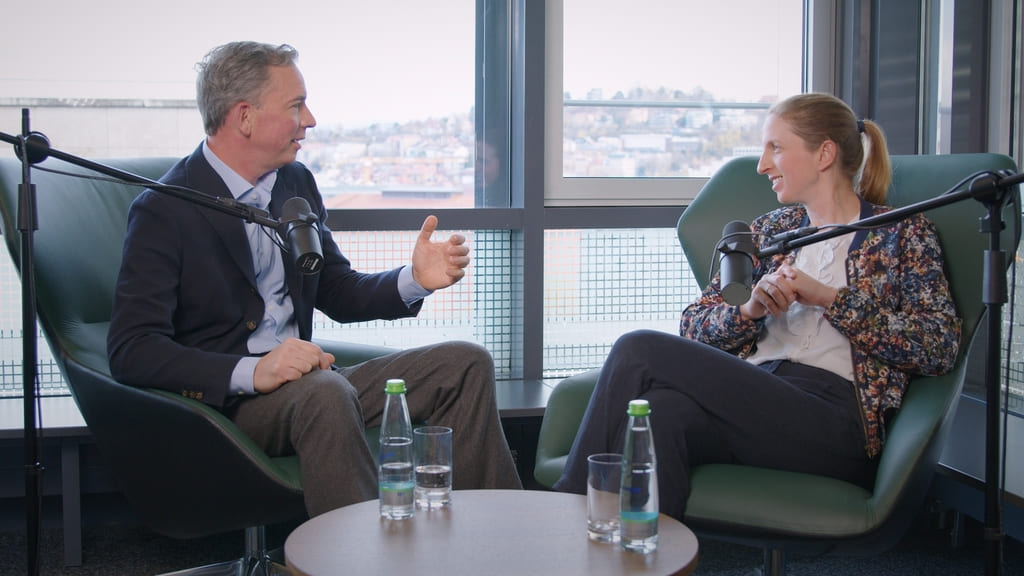
In the opening episode of Inside Digital Assets, host Lidia Kurt speaks with Dr. Matthias Voelkel about tokenization in capital markets, post-trade settlement, and why Europe’s market infrastructure remains highly fragmented.